

Student-powered clinics transforming community health.
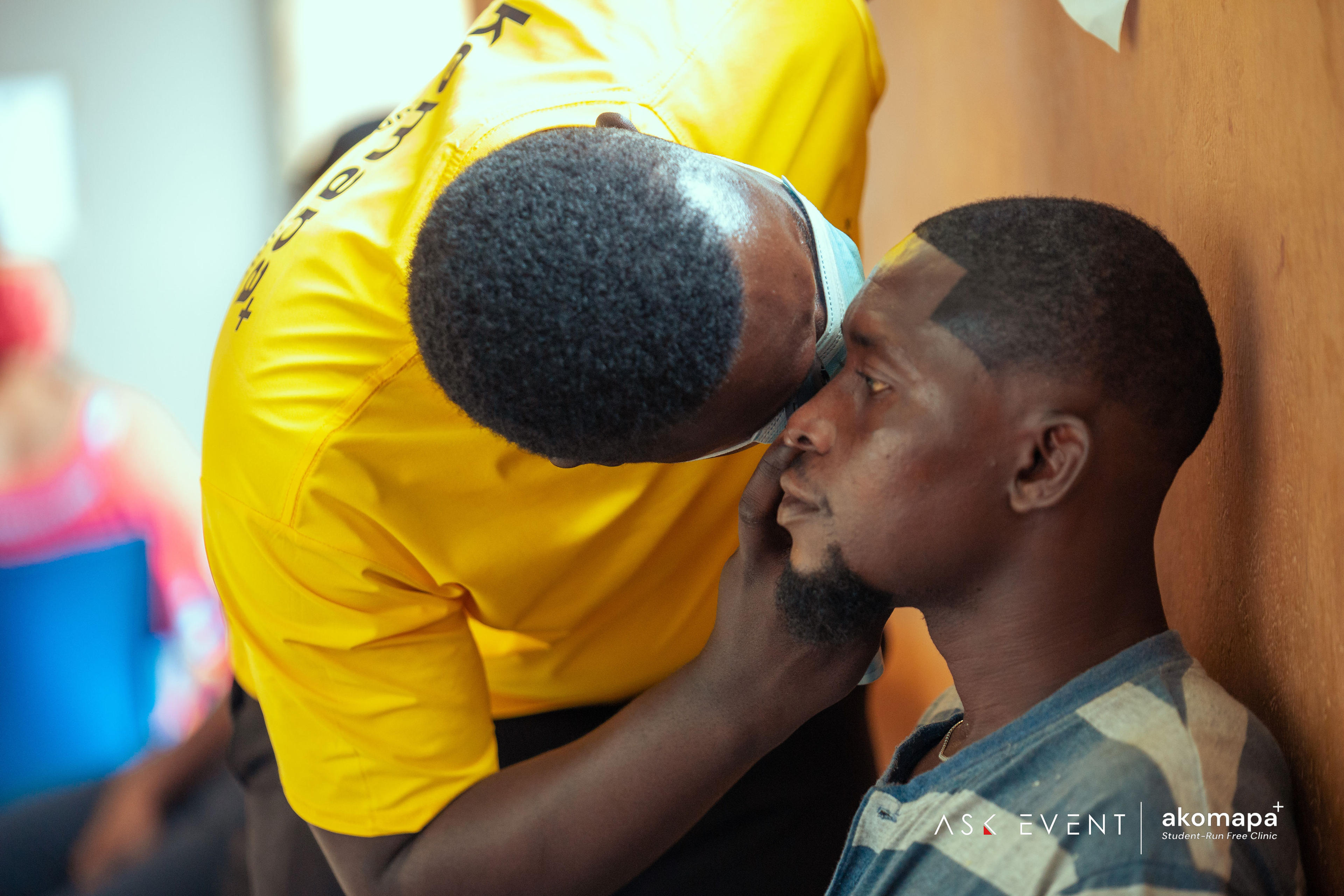
Our clinics blend student leadership with expert supervision to deliver primary care, health education, and chronic disease management where it’s needed most.
OUR MODEL
Four Pillars of Excellence
Akomapa clinics follow a scalable and replicable model anchored by four core pillars. Each one pairs rigorous training with community insight so clinics operate as both centers of care and living classrooms for leadership.
1. Community-Based Care
Clinics operate directly within neighborhoods and rural communities, embedding services in the daily fabric of the places we call home.
We transform trusted community spaces—schools, churches, markets—into care hubs so families can access screening, counseling, and referrals without long travel or stigma. The clinic experience is intentionally warm, circular, and anchored in community rhythms so patients feel welcomed rather than referred.
Free services focus on non-communicable diseases and health education, delivered alongside local leaders and health authorities to ensure cultural relevance and continuity of care. Every clinic day closes with debriefs that capture the voice of patients, helping us iterate fast and stay accountable.
Because we never parachute in, communities view Akomapa clinics as their own. This shared ownership keeps doors open between clinic days and builds a pipeline for future services, from pharmacy access to nutrition support.
2. Student Leadership
Interprofessional student teams run the clinics day-to-day, coordinating care across disciplines with humility and boldness.
Medical, nursing, pharmacy, nutrition, and public health students design patient flows, lead education sessions, and manage outreach together. They practice leadership that is service-first and rooted in cultural humility.
An intensive leadership curriculum pairs classroom learning with hands-on rotations, helping students grow into ethical, community-minded practitioners. Weekly design sprints and reflective journaling sharpen their voice and build lifelong habits of listening.
By graduation, Akomapa leaders have already stewarded real clinics, giving them the confidence to reimagine care wherever they go next—from regional hospitals to global health systems.
3. Expert Supervision
Licensed clinicians and faculty mentors partner with students, reviewing every plan to uphold the highest clinical and ethical standards.
Supervising physicians, pharmacists, and nurses are present at every clinic session to guide decision-making, triage escalations, and model compassionate care. They ground every encounter in evidence-based practice while giving students space to lead.
Quality reviews, ethics briefings, and robust data practices create a safety net that protects patients while accelerating student learning. Every chart undergoes dual review, and serious cases trigger coordinated referrals with partner hospitals.
The result is a tiered model where learners stretch their skills, communities feel held, and clinicians trust the system enough to recommend it to their peers.
4. Local Partnership
Every clinic is co-built with community members, health services, and national agencies so impact lasts long after launch.
Traditional authorities, district health teams, and civil society partners shape the clinic footprint, ensuring services respond to real community priorities. We co-create protocols, signage, and patient journeys so the clinic speaks the language of the community.
Shared data dashboards, joint trainings, and referral agreements mean each site strengthens the broader health system rather than standing apart from it. Impact dashboards are accessible to partners so everyone can track progress and iterate together.
This collective ownership gives us the mandate to expand responsibly—from financing NHIS enrollments to launching specialty pop-ups—while ensuring benefits stay rooted locally.
Our Impact
Designed for results at scale.
Every clinic day, fellowship, and partnership is designed to scale sustainably so student-powered care can reach thousands of families with dignity.
Patients Served
Neighbors receiving chronic disease screening, counseling, and follow-up through our free community clinics.
Student Leaders Trained
Clinical and public health students completing our intensive leadership and implementation fellowship.
Clinic Sites
Active clinic hubs anchoring the Akomapa model across Ghana and the United States.
Partners
Universities, health systems, and community organizations co-building our care model.
OUR CLINIC SITES
Where We Serve
Each clinic site represents our commitment to community-rooted, student-powered healthcare.
Akomapa UCC Clinic
University of Cape Coast
Our first clinic and proof of concept — serving the communities of Abeadze Dominase and Abura in partnership with the University of Cape Coast and the Ghana Health Service.
Visit Clinic PageAkomapa UG Clinic
University of Ghana
Our second site in development — expanding community-based NCD care to the Greater Accra Region in collaboration with the College of Health Sciences, NHIS, and Ghana Health Service.
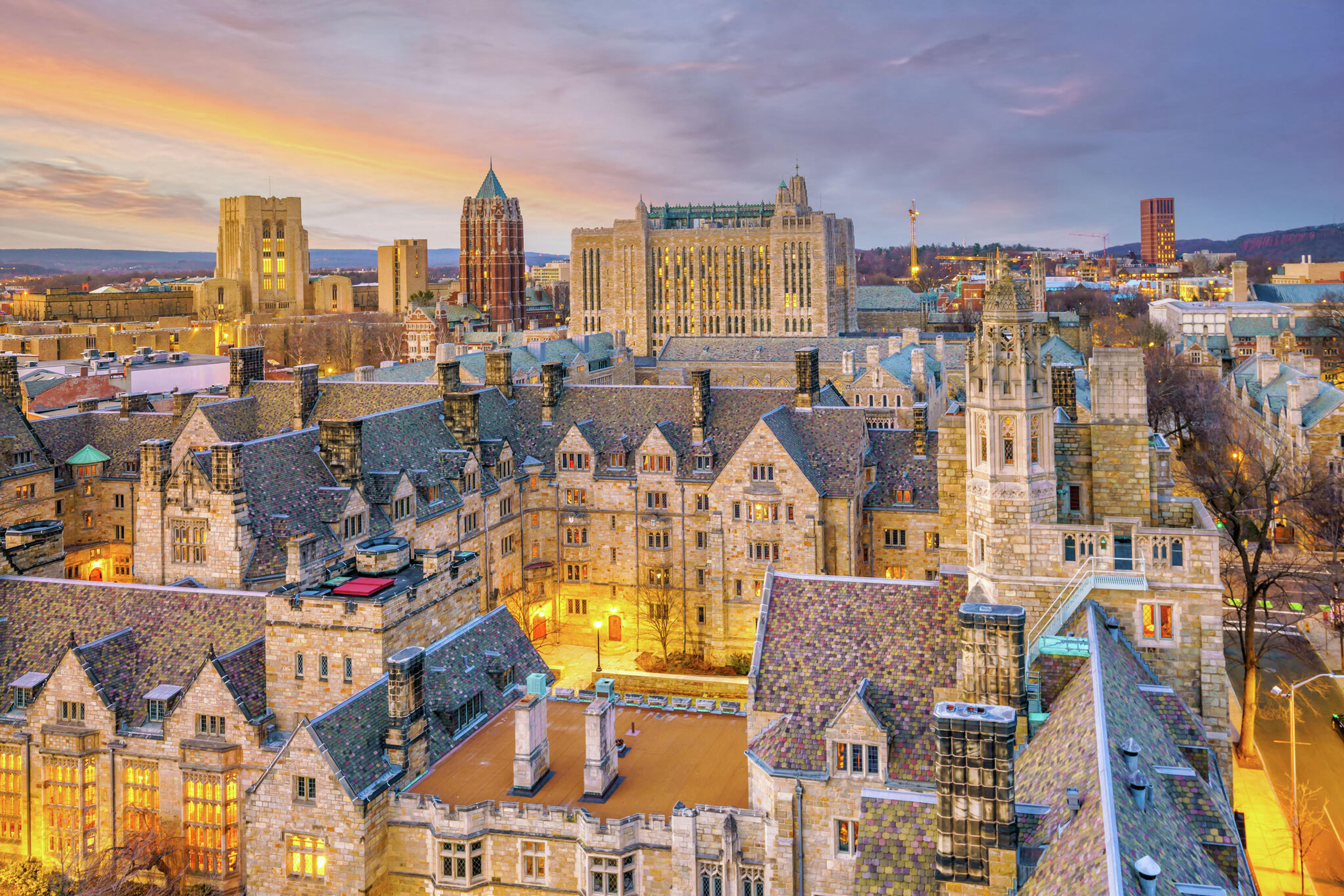
Visit Clinic PageAkomapa–NHP Yale Clinic
New Haven, USA
A transnational adaptation of the Akomapa model, in partnership with the Neighborhood Health Project in New Haven, bringing free screening and counseling to barbershops and salons.
Visit Clinic PageThe Bigger Picture
A Global Learning Ecosystem
Each clinic contributes to a shared learning ecosystem through the Akomapa Network — exchanging data, mentorship, and strategies that strengthen care across borders.
Together, these clinics form a global model of student-powered, community-based healthcare, adaptable to both low-resource and urban settings.
"Every Akomapa Clinic is built with a good heart — where students learn to serve, communities learn to trust, and together, we build a healthier world."
Esi Berkoh
Vice President, Akomapa